A 12-week study at Activate Brain & Body, conducted through Concordia University, found that combining functional exercise with cognitive challenges led to greater improvements in key memory skills for adults over 50 compared with exercise alone. Participants in the Dual Task Fitness Program (DTFP) trained twice per week, performing the same strength and conditioning exercises as a traditional group but with added brain-training elements like interactive boards, memory tasks, and focus games layered into their workouts.Using the Creyos cognitive testing platform before and after the program, researchers saw that the dual-task group significantly outperformed the exercise-only group in both verbal short-term memory and visuospatial working memory, abilities that support everyday tasks like following conversations, remembering instructions, navigating environments, and organizing spatial information. These results suggest that integrating cognitive drills directly into physical training can help with brain benefits beyond what exercise alone provides, offering a promising, proactive strategy to help aging adults stay sharper, more independent, and mentally resilient as they age.
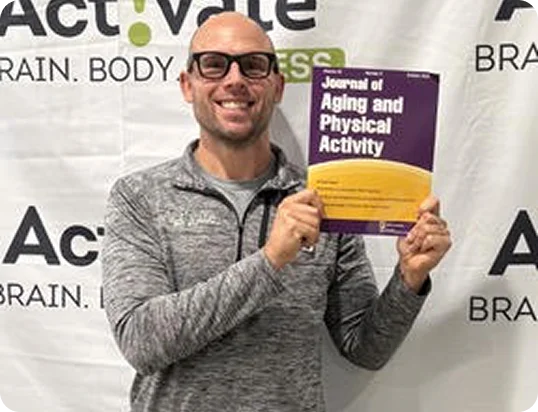
Read article written by Doctoral candidate George Radzyminski
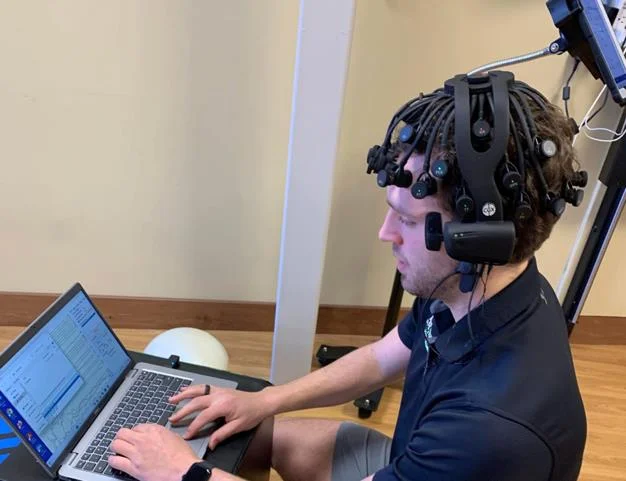
Activate’s Dual-Task training helps the brain and body work smarter together: participants learned to perform challenging brain–body tasks with less neural effort while improving performance by 9%, showed greater gains in physical task performance (+19% vs. +6%) with movements becoming more automatic, and improved their cognitive scores by 9% on dedicated thinking tasks, whereas an exercise-only group had to recruit more brain resources and showed minimal cognitive change.
Watch a quick video by Doctoral candidate MK Wintz
3‑month randomized pilot trial in community-dwelling older adults (average age about 66) showed that dual-task training, combining physical exercise with cognitive challenges, significantly improved balance, dynamic stability, and coordination compared with a non-exercising control group. Participants in the dual-task group trained twice per week for 50-minute sessions and demonstrated better dynamic stability and coordination than both the control group and an exercise-only group on several balance-related measures.These findings suggest that adding cognitive tasks to physical exercise can be a powerful, safe, and time-efficient strategy to enhance balance and movement control in healthy, independent older adults, key components for reducing fall risk and maintaining independence.