Research

Concordia University of St. Paul Study | In the process of being published

A 12-week study at Activate Brain & Body, conducted through Concordia University, found that combining functional exercise with cognitive challenges led to greater improvements in key memory skills for adults over 50 compared with exercise alone. Participants in the Dual Task Fitness Program (DTFP) trained twice per week, performing the same strength and conditioning exercises as a traditional group but with added brain-training elements like interactive boards, memory tasks, and focus games layered into their workouts.Using the Creyos cognitive testing platform before and after the program, researchers saw that the dual-task group significantly outperformed the exercise-only group in both verbal short-term memory and visuospatial working memory, abilities that support everyday tasks like following conversations, remembering instructions, navigating environments, and organizing spatial information. These results suggest that integrating cognitive drills directly into physical training can help with brain benefits beyond what exercise alone provides, offering a promising, proactive strategy to help aging adults stay sharper, more independent, and mentally resilient as they age.

Read article written by Doctoral candidate George Radzyminski

University of Cincinnati qEEG Study | In the process of being published

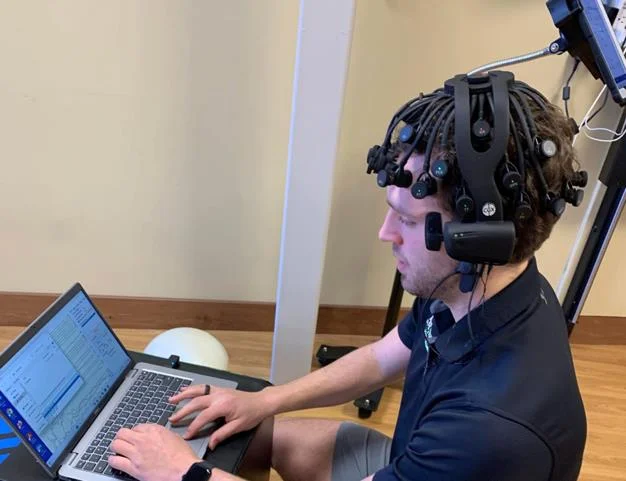
Activate’s Dual-Task training helps the brain and body work smarter together: participants learned to perform challenging brain–body tasks with less neural effort while improving performance by 9%, showed greater gains in physical task performance (+19% vs. +6%) with movements becoming more automatic, and improved their cognitive scores by 9% on dedicated thinking tasks, whereas an exercise-only group had to recruit more brain resources and showed minimal cognitive change.
Watch a quick video by Doctoral candidate MK Wintz

University of Cincinnati qEEG & Sleep Study | In the process of being analyzed by the University of Cincinnati

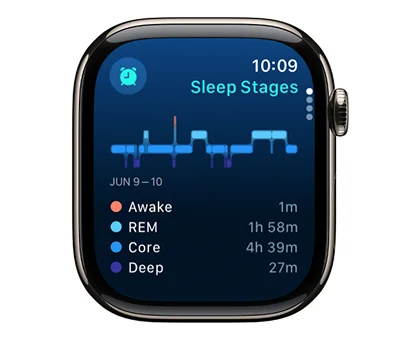
A randomized 8‑week study will compare how traditional group exercise versus dual-task training (exercise combined with cognitive challenges) affects brain function in adults aged 50 and older. All participants complete the same coached workouts, but one group also performs brain-stimulating tasks using tools like the SmartFit board while they move, allowing researchers to isolate the added impact of training the body and brain together. Researchers will also examine both the quantity and quality of participants’ sleep, with a special focus on deep sleep,because deep sleep is critical for memory consolidation, clearing metabolic waste from the brain, and supporting long-term cognitive health; the study’s theory is that dual-task exercise will improve the amount and quality of deep sleep more than exercise alone. Using quantitative EEG (qEEG) to track real-time brain activity, the Creyos cognitive test battery to measure skills like memory and attention, and sleep measures collected via Apple Watch across the program, the study aims to determine whether dual-task training produces greater “brain optimization” and healthier sleep patterns than exercise alone. This work builds on strong evidence that both physical activity and cognitive stimulation support brain health and seeks to guide future community exercise programs that target not only strength and fitness, but also restorative sleep and long-term cognitive resilience in older adults.
Review the IRB from the study above

University of Cincinnati Pilot Study on Emotional Wellbeing | Most Recent Study

This pilot study will test whether dual-task training, exercising while doing cognitive challenges, can improve emotional well-being in adults over 50 more than regular exercise or no exercising at all. Using validated surveys that track overall health, life satisfaction, stress, body and emotion awareness, mood, and social connection, the project will generate early evidence for the Activate Brain Health Foundation’s larger clinical trial efforts. The goal is to show that combining brain and body training may better support resilience, attention, self-confidence, and long-term brain health, helping prevent mood problems and shaping how future programs integrate movement, cognition, and emotional wellness.
Read the Executive Summary

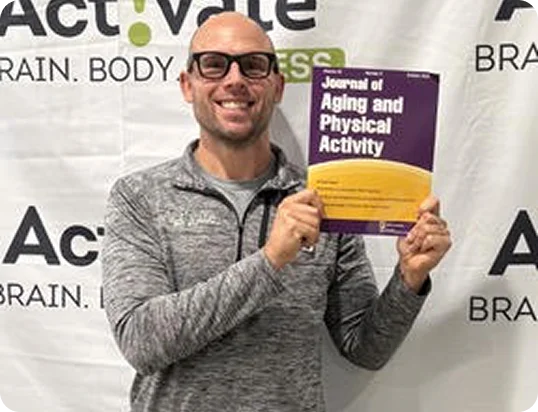
Miami University Study Published study in the Journal of Aging

3‑month randomized pilot trial in community-dwelling older adults (average age about 66) showed that dual-task training, combining physical exercise with cognitive challenges, significantly improved balance, dynamic stability, and coordination compared with a non-exercising control group. Participants in the dual-task group trained twice per week for 50-minute sessions and demonstrated better dynamic stability and coordination than both the control group and an exercise-only group on several balance-related measures.These findings suggest that adding cognitive tasks to physical exercise can be a powerful, safe, and time-efficient strategy to enhance balance and movement control in healthy, independent older adults, key components for reducing
fall risk and maintaining independence.

Contact Now:

Follow Us

Every Donation Matters

Please select your location to schedule your session.